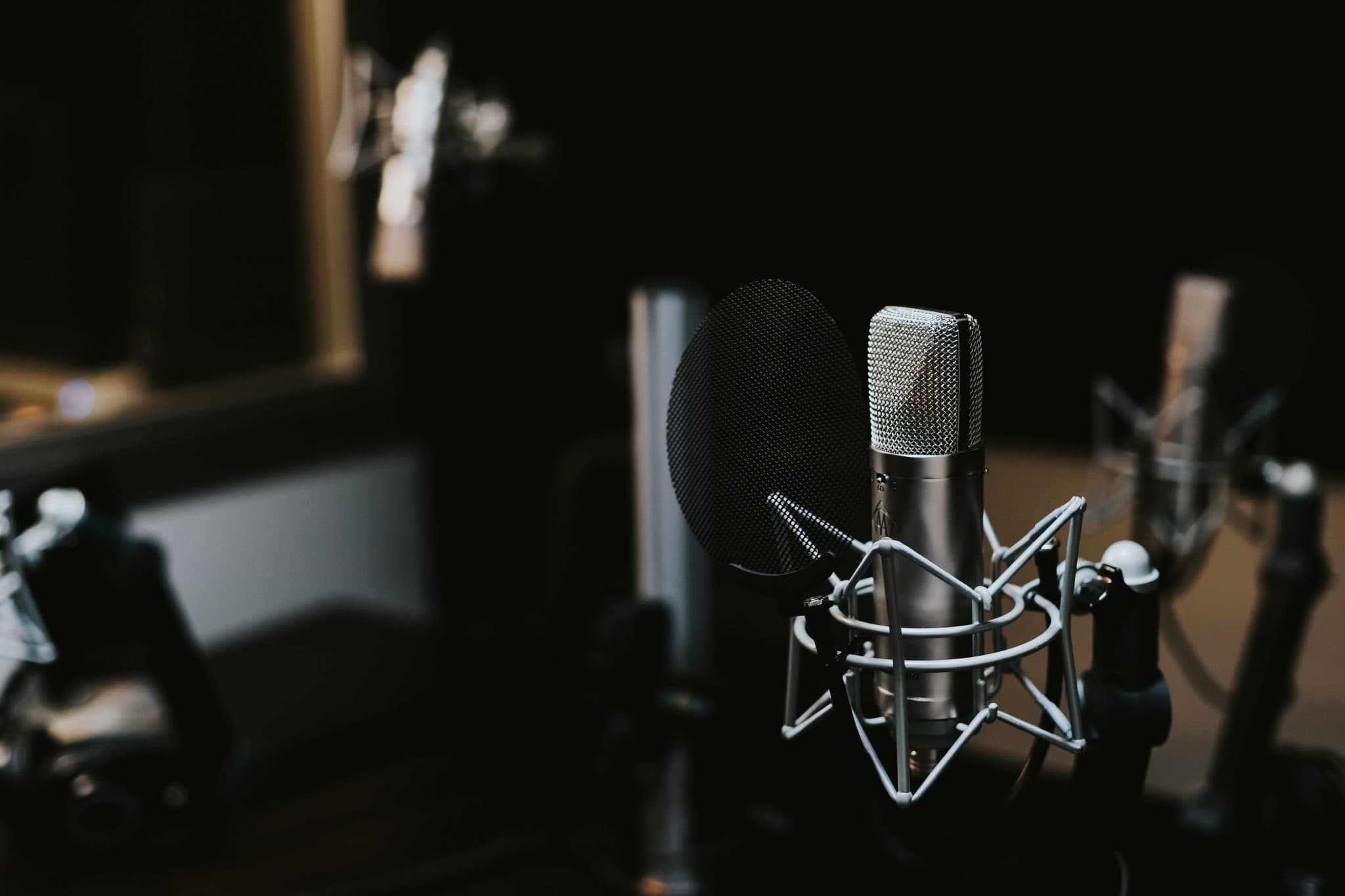
Crafting a Thunderous Metal Bass Tone
Crafting a Thunderous Metal Bass Tone is not luck. It is a sequence of smart decisions that start at the instrument and end at the stereo bus. In this master guide you will learn a reliable signal flow for modern heavy music, exact frequency ranges to target, compression and drive strategies that keep punch under [...]
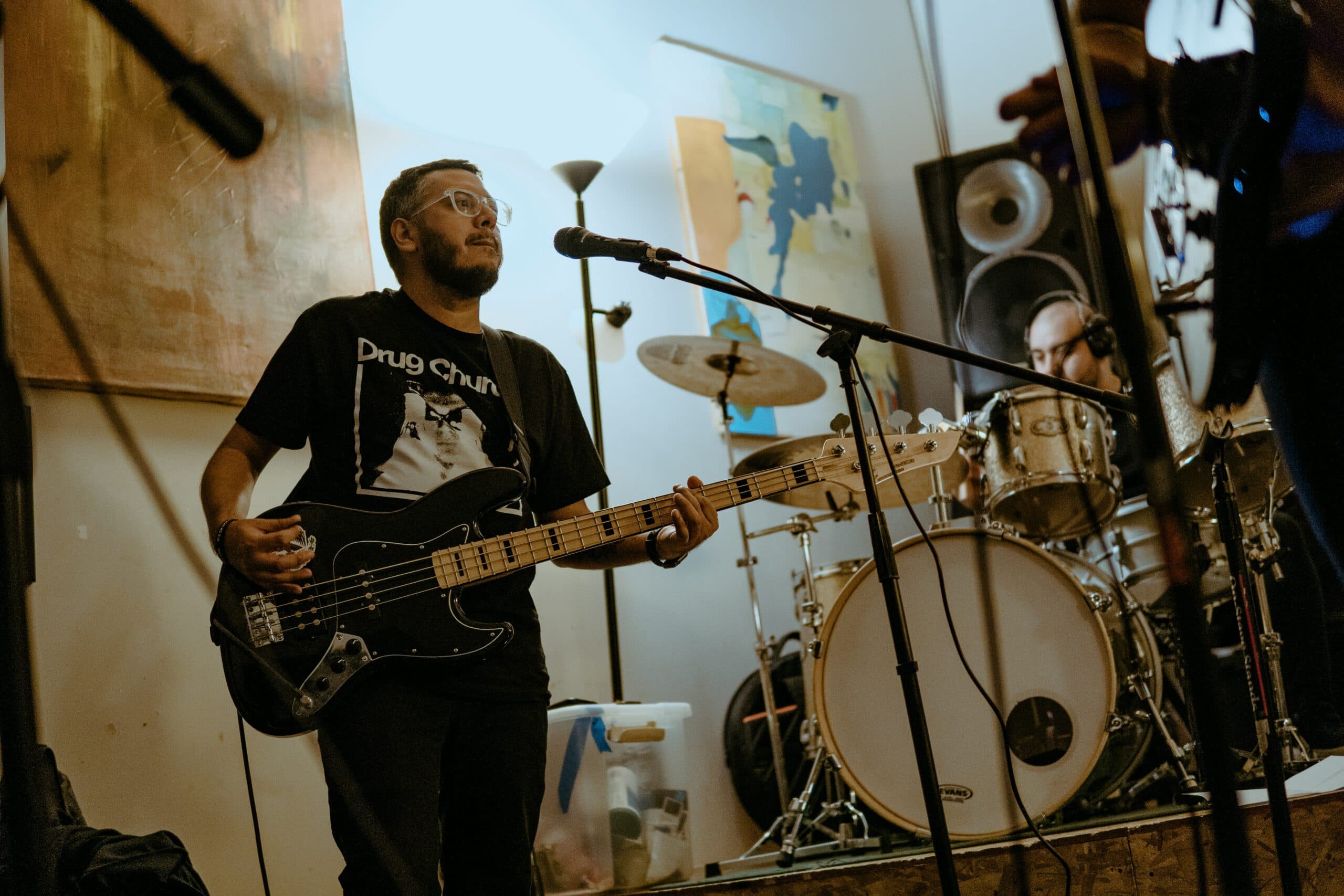
Crafting a Thunderous Metal Bass Tone is not luck. It is a sequence of smart decisions that start at the instrument and end at the stereo bus. In this master guide you will learn a reliable signal flow for modern heavy music, exact frequency ranges to target, compression and drive strategies that keep punch under double kicks, and how to capture DIs for later re-amping so you can refine tone without retracking.
What makes a thunderous bass tone in modern metal
Great metal bass is a layered sound. It combines a controlled low foundation for weight, a defined midrange for note identity, and a calibrated dose of high mid grit for articulation. All three must survive dense guitars and busy drums. Your job is to reserve space for the kick in the true sub region, deliver consistent low mids that glue to rhythm guitars, and provide a forward 1.5 to 3 kHz presence that cuts through vocals without becoming harsh.
Our ears perceive balance differently at different listening levels. That is why a bass tone that feels huge at bedroom level can vanish when you turn up. If you want the psychoacoustic backdrop, read about equal loudness contours. The key takeaway in practice is simple: check bass at realistic mix SPLs, not only quietly, and judge it in the full arrangement.
Source first: instrument, setup, and strings
- Scale and tuning: If you are in D standard or lower, stiff strings and a well cut nut prevent pitch sag and fret noise. Heavier gauges help maintain tension. Keep action tidy to stop clank unless you want it as a deliberate texture.
- Pickups and picking: Active pickups can deliver level uniformity while passives often provide richer dynamics. Both can work. Decide based on the song. Consistency of picking hand matters more than the badge on the pickup cover.
- Intonation and relief: A clean low end starts with accurate pitch. Confirm intonation and a touch of neck relief so the string breathes without rattling on hard accents.
- Fresh strings vs worn: New strings bring attack and overtones that translate through guitars. Older strings are darker and can suit sludge or doom. Choose intentionally.
Capture right: DI plus optional amp for flexibility
Print a clean, full bandwidth DI that peaks around -12 to -6 dBFS. This is your safety net for re-amping and tone refinements late in the process. If you also track an amp or sim, treat it as flavour, not the only copy. Label both clearly so recalls are painless.
If you want a repeatable way to stabilise level and noise before you sculpt tone, book a fast pass of bass DI re-amping and tone shaping. Solid DIs make every later decision more honest.
Building a crushing low end that survives dense guitars
The simplest metal bass architecture is a dual path: a clean or lightly compressed low band for power, and a driven mid band for growl. You will control them independently, then blend to taste. This approach preserves sub punch while giving you the aggression you hear on reference records.
The proven split path: clean lows plus gritty mids
Low band – keep it solid
- High pass: 25 to 35 Hz to remove sub rumble that eats headroom without adding audibility.
- Low shelf: Gentle shelf if needed around 50 to 80 Hz to balance body against the kick drum.
- Compression: Moderate ratio 3:1 to 5:1, attack 20 to 40 ms to let transients through, release 80 to 150 ms for natural recovery. Aim 2 to 6 dB of gain reduction on accents.
- Polarity with kick: Flip and listen. Pick the setting that makes the kick plus bass feel like one hit. Re-check after any re-amp changes.
Mid band – add bite without fizz
- Band split: High pass the mid path around 120 to 180 Hz so the drive does not mush the low end. Low pass around 4.5 to 6 kHz to keep treble civil.
- Drive type: Soft clip or overdrive preserves note edges. Fuzz can work if you filter firmly before and after. If you want a quick primer, skim distortion in music.
- Pre EQ into drive: Trim 250 to 400 Hz to stop boxiness, boost a little 1.5 to 2.5 kHz for articulation into the clipper or pedal.
- Parallel blend: Start wet around 20 to 40 percent and adjust until the bass reads in small speakers without sounding fizzy in full range monitors.
You can achieve the split in a DAW with duplicated tracks and filters, with a multiband plugin, or with an outboard crossover. For the concept, see an audio crossover overview. Choose the method that keeps your workflow simple and recallable.
EQ bands that translate on any system
- 30 to 50 Hz: Feel more than hear. High pass gently to reclaim headroom. Keep truly deep sub for sparse arrangements.
- 60 to 90 Hz: Body and thud. Share it with the kick. If both live here, manage with small cuts on one source so they trade phrases instead of colliding.
- 100 to 160 Hz: Low mid glue. Too much becomes woof and masks guitars. Too little and the mix feels hollow.
- 250 to 400 Hz: Boxiness and mud. Often the first cut on driven paths, but avoid overdoing it or the bass gets thin.
- 700 Hz to 1.2 kHz: Note identity. Boost carefully to hear pitch on fast runs.
- 1.5 to 3 kHz: Growl and pick attack. This is the window that carries through guitars.
- 5 to 8 kHz: String and hiss. Use low pass or a gentle shelf to keep this civil unless you want aggressive grind for hardcore textures.
Compression that breathes with the drummer
Metal bass must be consistent yet energetic. Over-compress and you flatten impact. Under-compress and the low end wanders. Use complementary dynamics on each path plus a light touch on the combined bus.
- Low path comp: 3:1 to 5:1, attack 20 to 40 ms, release 80 to 150 ms. Listen for low notes blooming evenly without choking.
- Mid path comp or clip: Faster attack, 5 to 10 ms, release 60 to 120 ms, or use a soft clipper to catch spikes before drive stages.
- Bus glue: 1.5:1 to 2:1 with slowish attack 30 to 60 ms and auto or program dependent release. 1 to 3 dB gain reduction is enough. If the bass ducks on every kick, you are overdoing it.
- Sidechain with kick: Reserve for extreme tempos. A subtle 0.5 to 1 dB duck keyed from the kick can tidy stacked hits without audible pumping.
Drive and distortion without losing heft
Distortion is not only for aggression. It generates harmonics that help small speakers reproduce low notes convincingly. The trick is choosing the stage and the filtering so you get presence without tearing the top end.
- Drive before compression tightens playing but can emphasise pick clicks. Drive after compression reads smoother but can smear note edges. Try both.
- Filter into and out of drive so you energise the midrange and protect sub fundamentals. High pass at 120 to 180 Hz into the drive and low pass around 6 kHz after is a reliable starting bracket.
- Blend in parallel to maintain dynamics. 20 to 40 percent wet is a workable opening range for modern metal.
Re-amping and amp sim choices
Printing DIs lets you audition heads, pedals, and cabs after editing. Re-amp both low and mid paths from the same DI to keep performance identical while you explore textures. Match re-amp output to a real instrument level so pedal and amp front ends behave naturally. If you want repeatable shootouts with documented settings, lean on re-amping as part of your workflow.
- Cab and IR selection: For modern tightness, try sealed 4×10 or 8×10 IRs for the mid path. For the low path, a full range capture or DI can stay cleaner.
- Mic flavours: Dynamic mic voicings often complement driven mids, while a DI or large diaphragm condenser on a clean path holds low information. If you combine mics, align phase at the fundamental of a palm mute for maximum punch.
- Sim hygiene: In amp sims, watch internal cab blocks. If you are using third party IRs, disable the built in cab to avoid layered responses.
Tight editing that still feels human
Metal lives on precision. Edit to remove distractions but protect feel. Tighten attacks to the kick and rhythm guitars, then stop before you erase the breath between notes. If editing is stealing energy or time from writing and tracking, hand it to bass editing so you can focus on tone and performance.
- Onset window: Aim to land bass attacks within roughly 5 to 15 ms of the kick. Tighter risks phasey low end when layered with guitars. Looser reads untidy at speed.
- Noise management: Gate gently before heavy drive stages to keep hiss symmetrical across phrases. Follow with surgical mutes between parts for a pro finish.
- Crossfades: Always fade edits so the low end does not click on playback.
Phase, polarity, and how bass locks to the kit
Low frequency energy is long in wavelength, which means small timing or polarity differences can shift from punchy to hollow fast. The fix is disciplined checks whenever you change mic positions, cab IRs, or crossover points.
- Kick relationship: Solo kick plus bass and flip bass polarity. Pick the setting that hits harder. Re-check after tonal changes because filtering can move effective phase.
- Guitars relationship: On palm mutes, sweep a tight EQ on bass around 90 to 150 Hz while listening with guitars. A 1 to 3 dB notch at a specific overlap frequency can make the whole mix jump forward.
- Re-amp consistency: If you re-amp the left and right guitars with shared cabs, keep the bass capture path fixed so the time relationship stays consistent song wide.
Genre flavours and arrangement choices
- Death metal: Fast kicks and blasts need steady low control. Keep subs clean, push 700 Hz to 1.2 kHz for note read, and ration 2 to 3 kHz so vocals can live.
- Djent and progressive: Extended range guitars invade low mids. Split paths with steeper filters and keep the low band almost pristine. Let the mid path do the talking.
- Doom and sludge: Slower tempos and sparser arrangements can carry more true sub and looser drive. Consider letting 40 to 50 Hz breathe and accept a little hair on the low band if it suits the vibe.
- Black and atmospheric: Guitars dominate upper mids. Shape bass with wider Q and focus on supportive movement rather than attention seeking grind.
Quick start chain you can trust
- Record a clean DI peaking around -12 to -6 dBFS. Optional: also print your favourite amp or sim for inspiration.
- Duplicate the DI. Path A is low band: high pass 30 Hz, subtle shelf around 70 Hz if needed, compress 3:1 with 30 ms attack.
- Path B is mid band: high pass 150 Hz, low pass 6 kHz, soft clip or drive, and a small 2 kHz lift. Blend 30 percent wet to start.
- Group both paths to a bus. Light glue at 1.5:1 with 30 ms attack and 2 dB gain reduction on hits. Check polarity with the kick.
- Level match to the mix. Adjust only in context. Print both the processed bus and the clean DI for safety.
Referencing and translation checks
Compare your bass against trusted records at matched loudness. Use the first chorus as your decision point because it usually carries full arrangement. Bounce a 30 to 60 second snippet and test on small speakers and headphones. If the bass vanishes, raise the mid path blend or add a small 1.5 to 2.5 kHz shelf. If the mix collapses when loud, reduce sub below 50 Hz or lengthen compressor release.
If you want objective alignment with target midrange or low end slope, a short session of reference track and tone matching will save you guesswork early and prevent last minute panic before mastering.
Common problems and fast fixes
- Bass disappears under guitars: Raise the driven mid path a couple of dB, or boost 900 Hz gently on the combined bus. Keep total mix level matched while evaluating.
- Mix booms on palm mutes: Tighten 120 to 180 Hz with a narrow cut or a multiband clamp that triggers only on chugs.
- Fizz on top: Low pass the driven path a little lower, 5 to 6 kHz, or reduce pre drive boost around 3 kHz.
- Kicks and bass cancel: Flip bass polarity, nudge bass timing by 3 to 5 ms earlier or later to catch the kick transient, and re-check after any new cabs or IRs.
- Uneven song to song: Normalise your workflow by always printing a clean DI, using the same crossover points, and templating compressor settings as a starting point rather than reinventing the chain each track.
Integrate with the bigger mix plan
Massive bass that does not fight guitars is part of a bigger system. If your album has complex arrangement or a specific production aesthetic, align the low end and midrange strategy with the guitar capture, drum sample plan, and mastering targets. When you need a second set of ears, a short, focused metal mixing and mastering review will help you lock translation before deadlines hit.
Deliverables to future proof your sessions
- Clean DI stems: One mono DI per bass performance, full length with count in if used.
- Processed bass bus: The final blended tone printed, plus the separate low and mid paths when possible for flexibility.
- Session notes: Crossover points, compressor settings, IR names, and any drive pedal positions. Screenshots help future recalls.
- Re-amp safety: Keep the original DI archived even if you are happy with the tone. It is your insurance against taste changes or mix notes later.
Related reading and services
- Shape your bass DI and re-amp chain for consistent results
- Tighten bass timing without losing feel
- Audition heads, cabs, and IRs on a solid DI
- Lock midrange and low end against target references
FAQ: bass tone that hits hard without mud
Where should I split the bass into low and mid bands
A common crossover is 120 to 180 Hz. Below that stays clean and controlled. Above that you can compress and drive for articulation. Adjust a little higher if guitars are very extended low or a little lower if arrangements are sparse.
Is a DI enough or do I need to mic a cabinet
A clean DI is essential. You can craft finished tones entirely from DI plus processing and IRs. Miking adds flavour and can speed inspiration. For recallable projects or remote work, DI plus re-amping covers more ground with fewer compromises.
How much distortion is too much on bass
If the low end loses punch or the vocal consonants become masked around 2 to 4 kHz, you have gone too far. Keep drive mostly on the mid path, band limit it, and blend 20 to 40 percent so weight remains intact while presence improves.
What compression settings work for fast double kicks
Use moderate ratios with slower attacks on the low path, for example 3:1 to 5:1 and 20 to 40 ms attack so transients breathe. Keep release around 80 to 150 ms. If the bass ducks on every kick hit, ease off or lengthen release to stop pumping.
Should I match bass tone to guitar tone
Match intent, not EQ curves. Let guitars own low mids where their character lives and let bass own consistent fundamentals and note identity. Use small notches where they overlap so together they sound like one instrument with depth.