
Choosing the Right String Gauge for Metal Guitars
Choosing the Right String Gauge for Metal Guitars is one of those deceptively simple decisions that shape everything else you do as a player and as a recording artist. Gauge affects how hard you can pick before things flub out, how stable your tuning stays under palm mutes, how easy big bends feel, and how [...]
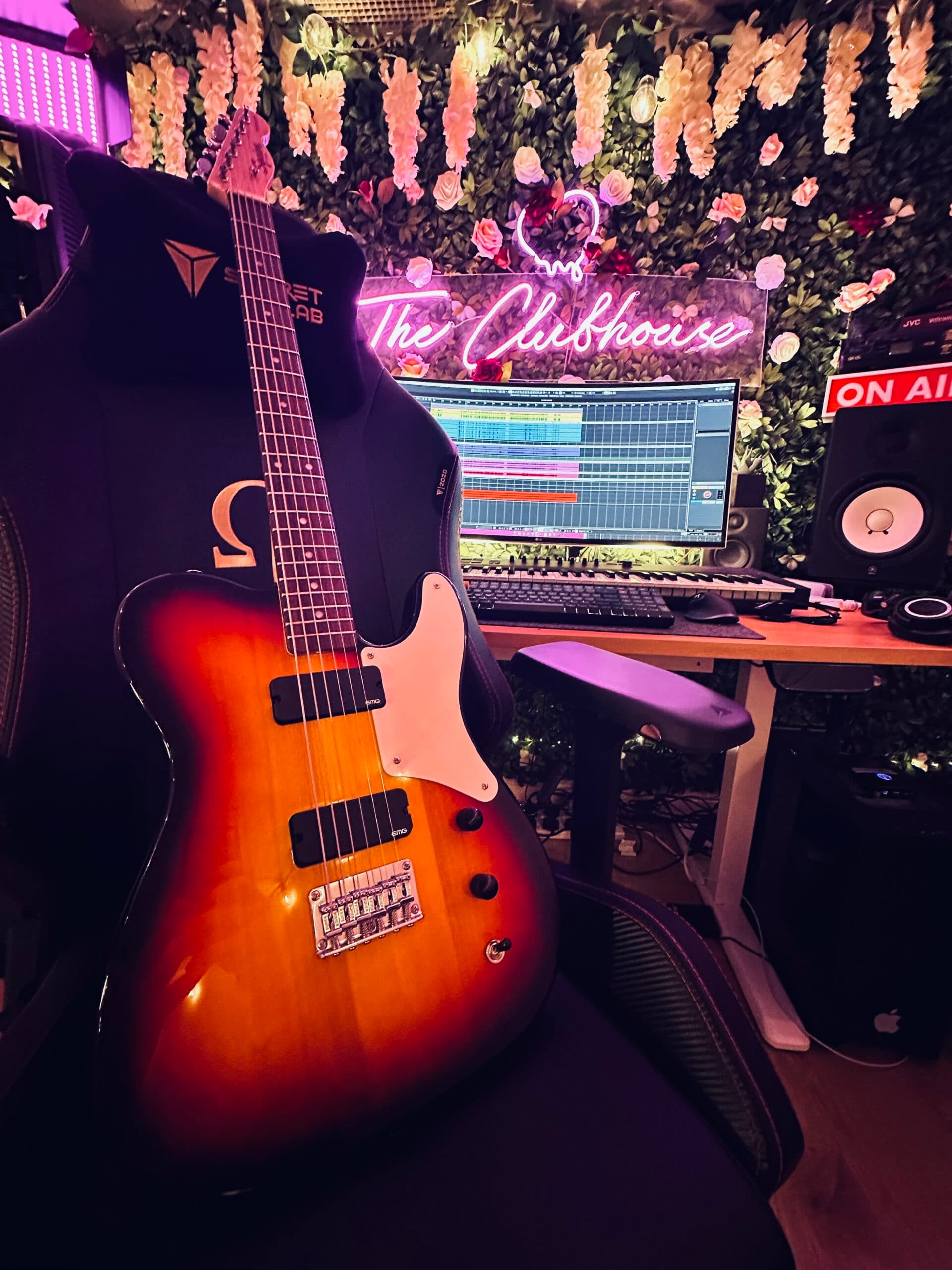
Choosing the Right String Gauge for Metal Guitars is one of those deceptively simple decisions that shape everything else you do as a player and as a recording artist. Gauge affects how hard you can pick before things flub out, how stable your tuning stays under palm mutes, how easy big bends feel, and how well your guitar intonates when you drop into lower tunings. In this long-form guide I will show you how to pick gauges intelligently for your tuning, scale length, tone goals, and recording workflow, so you can track tighter, mix cleaner, and sound heavier without fighting your instrument.
Why string gauge matters for heavy music
Gauge controls tension for a given tuning and scale length. In metal, we rely on strong right-hand articulation, precise left-hand intonation, and wide dynamic control over palm mutes and open chugs. If your set is too light for your tuning, you will hear flub, inconsistent pitch under attack, and chorus-like smearing that complicates editing and mixing. If it is too heavy, you may get pitch sharpness when fretting, restricted vibrato, and fast passages that fatigue your hands sooner than necessary.
There is no universal perfect set. The right answer balances three pillars: feel, tuning stability, and tone. Your goal is to maintain enough tension for authoritative picking while preserving the flexibility to bend a tone or a tone and a half where your style demands it. In practice, we usually start from a known-good baseline for your tuning and scale length, then refine the top and bottom strings to taste.
The two variables you cannot ignore: scale length and tuning
String tension rises with scale length and with higher pitch. That means the same 10 to 46 set feels noticeably tighter on a 25.5 inch Super Strat than on a 24.75 inch single cut. Drop from E standard to D standard on the same guitar and tension drops, making the strings feel looser under the pick and the fretting hand. Understanding this interplay lets you select gauges that put you in the sweet spot for your technique.
As a rule of thumb, changing tuning by a whole step typically feels a lot like keeping the tuning the same but dropping one gauge step lighter across the set. Moving from 25.5 inch to 24.75 inch often feels like going roughly one gauge step lighter again. These are starting points, not laws, but they help you navigate without guesswork.
Picking the ideal gauge for heavy metal guitar setups
Think in terms of target tension ranges. For tight rhythm work in metal, many players like the low string to sit in a medium-firm tension zone that resists flub under hard palm mutes. At the same time, they want the treble strings light enough for expressive lead lines and vibrato. That translates into hybrid sets: heavier bottoms with comfortable tops, or custom singles to tune each string precisely.
Suggested gauge ranges by tuning and scale length
Use the following ranges as practical starting points. Adjust up or down a size to match your picking strength and vibrato style. Where two ranges are given, the first suits 24.75 inch scales and the second suits 25.5 inch. If you use baritone or extended-range instruments, see further below.
- E standard, 24.75 inch: 9 to 42 or 10 to 46. If you pick hard, lean 10 to 46.
- E standard, 25.5 inch: 10 to 46 or 10 to 48 for a firmer low E.
- D standard, 24.75 inch: 11 to 49 or 11 to 52. Hybrids like 10 to 52 also work.
- D standard, 25.5 inch: 11 to 52 or 11 to 54 for tight rhythm articulation.
- Drop D, 24.75 inch: 10 to 52 or 11 to 52. Prioritise a 52 on the low string.
- Drop D, 25.5 inch: 10 to 52 or 11 to 54.
- Drop C, 24.75 inch: 11 to 56 up to 12 to 60. If you dig in, try a 58 to 60 low string.
- Drop C, 25.5 inch: 11 to 56 or 12 to 60 for a focused low string.
- C standard, 24.75 inch: 12 to 60 or 12 to 62, with a wound third for intonation stability.
- C standard, 25.5 inch: 12 to 58 or 12 to 60.
- Drop B, 24.75 inch: 12 to 62 up to 13 to 64. Consider 64 for firm chugs.
- Drop B, 25.5 inch: 12 to 60 or 12 to 62.
- B standard, 24.75 inch (tuned like a baritone on a 6 string): 13 to 64 minimum. Many will prefer 14 to 68.
- B standard, 25.5 inch: 13 to 62 or 13 to 64.
- Drop A, 25.5 inch: 12 to 64 or 13 to 64. For ultra-tight low A, 66 to 68 singles are common.
These sets are not dogma. If you prioritise lead work and two-tone bends on a 24.75 inch in D standard, 10 to 52 may still feel right. If you are a down-pick machine, 25.5 inch with 12 to 60 in Drop C can deliver harnessed aggression with minimal pitch sag under the pick.
Extended range guidance for 7 and 8 string players
For a 7 string at 25.5 inch in standard tuning (B E A D G B E), a common baseline is 10 to 59 or 10 to 60. If you spend most of your time in Drop A, consider 10 to 64 hybrids, or build your own with singles to keep the top strings lively while the low string anchors the riffing. On a 26.5 inch 7 string, shift down a step on the low side, for example 10 to 56 or 10 to 58, because the longer scale naturally tightens the response.
For 8 strings, a 27 inch to 28 inch scale helps greatly. For F sharp standard, sets like 10 to 74 or 9 to 74 can work, adjusted for touch. If you are frequently in Drop E, push the bottom to 80 or 82 to combat pitch warble under aggressive palm mutes. As ever, tailor the treble side to your lead demands rather than letting the low string dictate everything.
Feel, tone, and technique: finding your personal balance
Heavier gauges typically give you a denser fundamental with less high-frequency sting, more note authority, and a percussive attack that translates well on heavy rhythm guitars. Lighter gauges bring shimmer and ease for expressive bends, pinch harmonics, and rapid legato. The best sets for modern metal often combine both worlds: firm low strings that stay in tune under force, with more forgiving treble strings that sing.
Pick attack and right-hand anchoring also matter. If you pick with a shallow angle and moderate force, you can run lighter than someone who attacks steep and heavy. High-output pickups compress the front edge of notes, which can mask pitch sag from low tension. Low-output pickups preserve transient definition, which can expose it. Match gauge to your rig and your hands, not just what your favourite player lists on a spec sheet.
How gauge choices interact with pickups, amps, and gain staging
In the studio, the string-to-pickup relationship determines how your DI behaves under transient stress. A low string with insufficient tension can throw wide excursions that hit the preamp or amp sim input unevenly. You will hear that as bloom, warble, or woof that fights the tightness you want. Adequate tension keeps the DI stable and predictable, which makes re-amping or amp sim processing far easier.
High-gain amps and modern amp sims are designed with low-end shelving and tight bass control, but they are not magic. Fixing low string flub at the source with appropriate gauge and a disciplined right hand gives you more headroom to shape tone later. If you are preparing DIs for mixing or re-amping, consider a short session dedicated to gauge testing, then print your final takes with the best set. For help getting the tightest possible DI before re-amping, see my guitar DI cleanup and tightening workflow.
Building smarter hybrid sets with single strings
Pre-packaged sets are compromises. They assume a particular tuning and playing style. If you live in lower tunings, build a set with heavier bottoms and slightly lighter tops. For example, in Drop C on 25.5 inch, a musical all-rounder is .012, .016, .024w, .032, .044, .060. If you bend often on the second string, drop it to .015. If you are strictly rhythm, push the low to .062. Those small changes can turn a good set into your perfect set.
Wound third strings behave differently under bends and can improve intonation in lower tunings for players who mostly play rhythm. If you are lead focused with lots of blues-inflected bends, a plain third may still be the better play. There is no right or wrong, only alignment between the string and the musical job you need it to do.
Intonation, action, and truss rod considerations when changing gauge
Heavier gauges increase overall neck tension. Expect to touch the truss rod, bridge height, and intonation screws when you move up or down significantly. If you go two full steps heavier, plan a basic setup: check relief, set action, and re-intonate at the bridge. Doing this before a session prevents sharpness on fretted notes and keeps double-tracked rhythms aligning perfectly in the mix.
A quick rule of thumb: after restringing with a heavier set, sight the neck for relief, tune to pitch, give it 10 to 15 minutes to settle, then check again. Relief should be minimal but present. Many metal players like a low action with just enough clearance for hard picking without fret slap. Small tweaks here make a huge difference to how tight your recorded takes sound.
Recording realities: how gauge influences editing and mixing
String gauge shows up in the DAW as consistency. Tighter strings move less under attack, which means fewer micro pitch drifts to fight. That translates into cleaner double tracks, more reliable phase between left and right guitars, and less reliance on edits to mask timing artefacts caused by pitch wobble. On the flip side, overly heavy strings can clamp your expression, making choruses feel static. Balance is king.
When you are ready to send DIs for processing or to re-amp, you can commit with confidence. If you want to hear your performance through multiple amp and cab flavours before making a final call, I offer re-amping as a dedicated service so you can audition tones without changing your performance. I can also match a reference tone you love using targeted EQ, compression curves, and IR selection in my reference track and tone matching process.
A simple testing protocol before you commit to a set
- Pick two candidate sets that bracket your goal. For Drop C on 25.5 inch, that might be 11 to 56 and 12 to 60.
- Restring and do a quick setup for each set: tune to pitch, check relief, adjust action if needed, and re-intonate the low two strings.
- Record identical DI takes of palm-muted chugs, open chords, and a short lead line at the 10th to 15th fret region.
- Re-amp or run through the same amp sim with identical settings. Do not change gain or EQ to hide differences.
- Listen for flub vs tightness, pitch stability under hard mutes, and lead singing quality. Choose the set that supports your hands.
If you want an external pair of ears on those DIs, you can book targeted advice for ultra-low tunings and djent precision or a broader metal mixing and mastering perspective on how your tone sits in a full arrangement.
Coated vs uncoated, round core vs hex core, and winding types
Coated strings trade a small amount of high-end sparkle for longer life by resisting sweat and grime. For touring players or anyone with acidic sweat, coated options can save money and maintain brightness across a run of shows. In the studio, many players still prefer fresh uncoated strings for sheer attack and transient bite, changing them more often during a long tracking day.
Hex core strings feel slightly stiffer for a given gauge and often deliver a more focused low end, which suits modern metal rhythm work. Round core can feel a touch more elastic and vintage-leaning. Winding type also matters: roundwound is the norm for metal, while flatwound generally does not deliver the brightness and bite we want for high-gain rhythm guitars.
How often should you change strings in the studio
For album rhythm tracking, plan on a fresh set for each serious session block, and if you track more than 6 to 8 hours, change the low strings mid-session. Lead work makes fewer demands on tension, but clarity still improves with fresh sets. If your hands run hot or you pick very hard, bring extra singles in your preferred gauges so you can swap the low string quickly without wasting a full set.
Troubleshooting common problems linked to gauge choice
- Notes go sharp when fretted: Action is too high, the gauge is too heavy for your touch, or the nut slots are too tight. Lower action slightly, check nut slot width, and consider one size lighter on the treble side.
- Open chugs are flubby: Low string is too light for your tuning, or your pick attack is too steep. Increase the bottom gauge one or two sizes or work on a flatter pick angle.
- Bends feel stiff and lifeless: You went too heavy on the treble side. Drop one size on the top three strings or choose a hybrid set with lighter trebles.
- Inconsistent tuning after big mutes: The low string lacks tension for the gain level you use. Step up the bottom by 2 to 4 thousandths, then re-intonate.
- Unwanted fret noise when picking hard: Action is too low for your attack or the neck relief is too small. Add a touch of relief and raise the bridge fractionally.
Studio-ready prep checklist before you hit record
- Decide on tuning and scale length for the session weeks in advance so you can settle on gauges and complete a proper setup.
- Change strings one to two days before tracking to let them stretch and stabilise, then stretch again gently before takes.
- Check nut slots and bridge saddles for binding when moving to heavier gauges.
- Verify intonation at the 12th fret on the low two strings under your real picking force, not a feather-light test pluck.
- Print a short test DI pack to sanity check tightness and pitch stability through your chosen gain structure.
Genre examples and how gauge supports them
Metalcore and modern prog benefit from firm low strings that hold pitch during staccato down-picking and syncopated chugs. Hybrid sets with lighter tops keep lead sections expressive. Doom and sludge usually favour heavier bottoms for long sustaining notes that do not wobble under pressure. Thrash and classic heavy metal often live in E or D standard with medium sets that balance speed and stability.
The point is not to force your playing into a set, but to build a set that lets your hands and musical identity shine. When you get it right, you will notice fewer edits, tighter doubles, and tones that sit immediately where they should in the mix, without fighting the low end or carving away your pick attack.
A quick word on string tension, physics, and practical reading
If you enjoy the numbers, the relationships between pitch, mass, and scale length are well documented. For a plain-language overview, see string gauge basics, scale length, and common guitar tunings. These resources explain why a half step here or an inch there translates into a real feel change under your fingers.
Deliverables I look for when you send guitar DIs
- Clean, unclipped DIs at a sensible input level with peaks below the red.
- Notes on tuning, scale length, gauge, and whether the third string is wound or plain.
- One short clip of hard palm mutes and one clip of open chords to check pitch stability.
- A favourite reference track to aim for in terms of tightness and tone. If you want me to match it closely, my tone matching service will get you there quickly.
Putting it all together: a simple decision tree
- Step 1 – Choose your tuning and confirm your scale length.
- Step 2 – Pick a baseline set from the ranges above.
- Step 3 – Adjust the low string up by 2 to 4 thousandths if chugs wobble. Adjust the top two strings down one size if bends feel stiff.
- Step 4 – Do a quick setup. Relief, action, and intonation must fit the new set.
- Step 5 – Track two test DIs and evaluate tightness and pitch with your real gain settings.
When to ask for help and speed up the result
If you want a second opinion before committing, I can clean up your DIs, advise on gauge tweaks, and re-amp into real heads or your preferred amp sims so you hear the outcome in context. Start with Guitar DI Cleaning and Tightening, add Re-Amping to audition tones, and finish with Metal Mixing and Mastering so your guitars sit perfectly with bass and drums.
Related reading and services
- Dialling gauge for ultra-low tunings and precise djent articulation
- Reference Track and Tone Matching for consistent metal guitar tones
- Guitar DI Cleaning and Tightening to maximise pick clarity
- Re-Amping options to test multiple heads, cabs, and IRs
FAQ: string gauge choices for metal guitar
Do I really need heavier strings for Drop C on a 24.75 inch scale guitar
Usually yes. Shorter scales reduce tension, so beefing up the bottom string or two helps keep palm mutes tight and pitch stable. Many players land between 11 to 56 and 12 to 60 for Drop C on 24.75 inch, with minor tweaks for feel.
What is a good all-round set for D standard on 25.5 inch
11 to 52 is a strong starting point for balanced rhythm and lead. If you down-pick hard, try 11 to 54. If you bend a lot, keep the top two strings lighter.
Will heavier strings damage my guitar
Within sensible ranges, no. Heavier sets increase tension, so you must adjust truss rod relief, action, and intonation. Stay within typical metal ranges and your instrument will be fine with a proper setup.
Plain third or wound third for lower tunings
A wound third improves intonation stability and feels more consistent with the rest of the set for rhythm-heavy styles. If your lead playing needs big, vocal bends, a plain third can be more comfortable.
How often should I change strings during an album session
Change at least once per intensive tracking day. For long days, swap the low string after 6 to 8 hours. Fresh strings hold pitch better and keep transient detail sharp in the mix.
Can a 25.5 inch 6 string handle Drop A
Yes, with the right bottom gauge and setup. Many players succeed with a low string in the 64 to 68 range. Expect to file the nut slot, adjust relief, and re-intonate.
Do coated strings work for high-gain metal rhythm
They can. Coated sets trade a touch of high-end snap for longevity. If you want maximum attack and brightness in the studio, uncoated fresh strings are still the default for many players.
Why do my notes go sharp when I fret with heavier strings
It is often a setup issue. High action and heavy gauges can push notes sharp when fretted with normal force. Lower the action slightly, ensure nut slots are cut to the correct width and depth, and re-intonate.
What gauges for a 7 string in Drop A on 26.5 inch
Try something in the 10 to 58 or 10 to 60 range and adjust the low string to taste, often 62 if you hit very hard. Tune, set relief, and re-intonate before judging the feel.
Should I match my live and studio gauges
You do not have to, but keeping them close helps consistency. Many bands run a slightly heavier bottom live for tuning stability and a slightly lighter top in the studio for expressive leads. If you switch, document both setups.
Final thoughts
Gauge is a creative decision disguised as a technical one. Build from your tuning and scale length, then refine for your hands and your sound. If you want help nailing it and hearing your parts through finished, release-ready tones, book DI cleanup, add re-amping to audition tones, and finish with mixing and mastering tailored to heavy music.