
Best Drum Heads for Metal
Best Drum Heads for Metal isn’t about one magic product—it’s about matching head construction, damping and tuning to the way you hit, the room you’re in and the mix that will frame the kit. This guide breaks down ply counts and coatings, explains how built-in control rings compare with external damping, and gives practical, repeatable [...]
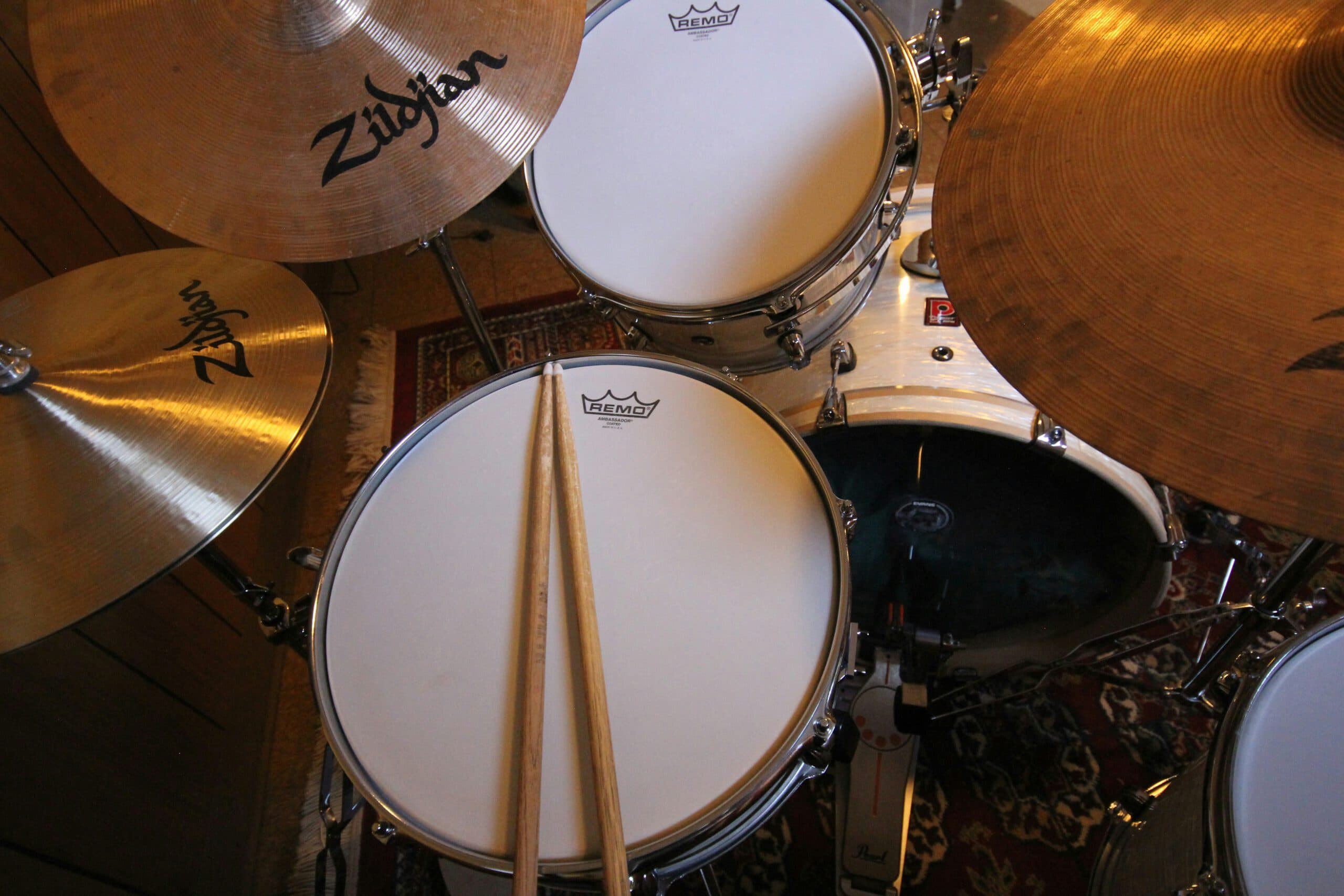
Best Drum Heads for Metal isn’t about one magic product—it’s about matching head construction, damping and tuning to the way you hit, the room you’re in and the mix that will frame the kit. This guide breaks down ply counts and coatings, explains how built-in control rings compare with external damping, and gives practical, repeatable starting points for snare, kick and toms so you get surgical attack, controlled sustain and road-worthy durability in heavy music.
What “best” means for heavy music
In metal, drum heads must deliver three things: attack that cuts through dense guitars, control of overtones so the kit stays mix-friendly at speed, and durability under hard hitting. The right choice also tunes quickly and stays consistent across multiple takes or tour dates.
- Attack: A fast transient lets kicks and snares register in blast beats and breakdowns. Clear films and stiffer constructions accentuate click and crack.
- Control: Built-in rings, centre dots and thicker films shorten sustain and tame ring so tone stays focused for close mics and gates.
- Durability: Two-ply films (often 2 × 7–10 mil total) resist dents and stretch, keeping pitch stable set to set.
If you’re planning a studio release, remember that head choices interact with editing, sample layering and phase-coherent miking. If you want your tracks tightened without losing natural aggression, it can help to involve targeted services like precision drum editing for metal or controlled sample blending to reinforce transients while preserving your performance.
Snare heads for metal: crack, body and control
The snare defines the kit’s apparent speed. Metal snares benefit from heads that emphasise midrange cut with contained ring so ghost notes stay audible and backbeats hit hard without rattling the mix.
- Construction: Two-ply coated or two-ply with a centre control dot (3–5 mil) are staples for high-energy playing. They tolerate rim-shots and tame harsh overtones.
- Coated vs clear: Coated films add grip and warmth for stick articulation; clear films offer a brighter, glassier attack if you need extra bite.
- Control rings/vents: Vented and “dry” styles with perimeter holes reduce sustain and keep the close mic tidy at fast tempos.
- Tuning workflow: Seat the head evenly, bring lugs to finger-tight, then add 1/2–3/4 turn per lug in a star pattern. Aim for the same pitch at each lug; raise 1/8 turn increments until the snare speaks with minimal extra dampening.
To understand how the head itself shapes timbre and sustain, see a neutral explanation of the drumhead’s role and the basics of drum tuning.
Kick drum batters that click and punch
Modern metal kicks demand a sharp beater click on top of a short, weighty thump. Heads with built-in dampening and slightly stiffer films help the beater rebound fast and keep the close mic clean for fast double-pedal parts.
- Construction: Two-ply clear with a narrow internal ring keeps the low end tight and reduces woof. A single-ply batter can work if you play lighter and use a patch for attack.
- Beater patch: Add a 2–4 mil patch (felt, Kevlar-type or plastic) at the beater impact point for extra click and longevity.
- Resonant head: A small port (≈4–6 in / 10–15 cm) aids mic placement and shortens decay; unported gives more bloom for slower sub-genres.
- Tuning workflow: Batter just above wrinkle; reso slightly higher for focus. If the mic hears too much low-mid “box”, nudge the reso up 1/8 turn.
Decisions at the kick also interact with mix choices. If you want someone to align your multi-mic kick phase so low end sums instead of cancels, dig into multi-mic phase alignment or have the full kit balanced via metal mixing & mastering with tight low-end management.
Tom heads that stay articulate at speed
Fast tom runs need clarity between hits. A slightly drier head prevents wash building up across multiple mics while maintaining a defined note and stick attack.
- Construction: Two-ply clear is a reliable default for aggressive playing. It yields a focused note with strong attack and reduced overtone clutter.
- Coated alternatives: Two-ply coated can warm the tone if your room or cymbals run bright, or if your toms sound thin on overheads.
- Top vs bottom: Pair a controlled batter with a thinner, more open resonant head to keep tone alive. Often the reso likes 1/8–1/4 turn higher than the batter for pitch focus.
- Size-by-size cue: On 10–12″ toms, a touch higher tension preserves stick definition; on 16–18″ floors, keep the batter low-to-medium and let the reso set the pitch centre.
Choosing metal-ready drumheads without guesswork
Start with a two-ply baseline, add built-in control rings where you routinely fight ring in close mics, and reserve single-ply or fully open films for softer players or genres that want more bloom. Then tune using small, consistent moves (1/8 turns) and only add external gels/rings if the head choice and tuning won’t deliver the control you need.
Coated vs clear, single-ply vs two-ply
These four choices explain most of what you’ll hear.
- Coated: Slightly softer attack, more mid warmth, extra stick definition on snare. Great when cymbals are bright or rooms are reflective.
- Clear: Brighter attack, more click and projection. Useful for kicks and toms that must cut through dense guitars.
- Single-ply (≈10 mil): Open, resonant, sensitive—good for dynamics, but needs careful damping for very fast or loud playing.
- Two-ply (≈2 × 7–10 mil): Controlled, durable, focused—favoured for touring and high-tempo metal where consistency matters.
For context on the instruments you’re balancing, a quick skim of snare drum characteristics and bass drum behaviour helps you predict how head choices change articulation and low-end.
Built-in dampening versus external control
Modern heads with narrow internal rings or centre dots shorten decay without killing tone. External control (gels, rings, felt) is flexible but can look messy and change feel mid-set if it shifts. A good rule: get 80–90% of the control from the head choice and tuning, then apply minimal external damping for final polish.
- Kick: Prefer a built-in ring; add a small pillow or foam only until the sub “breathes” cleanly.
- Snare: If you need a gel, start with one small piece near the rim (not centre). If you end up with three or more pieces, reassess head choice or tuning.
- Toms: If sympathetic buzz to the snare is loud, raise tom reso a touch or move gels closer to the edge rather than stacking multiple pieces.
Fast-start recipes for common metal scenarios
- Tech death / djent precision: Snare two-ply coated with reverse dot; medium-high tension; one tiny gel by the rim. Kick two-ply clear with ring + beater patch; batter just above wrinkle, reso slightly higher and ported. Toms two-ply clear; reso 1/8 turn above batter for quick decay.
- Old-school thrash bite: Snare two-ply clear or coated without dot; tune crisp and higher than you think; minimal gel. Kick two-ply with modest damping; beater patch for click. Toms two-ply clear, tuned for a step-like melodic spread.
- Doom/sludge weight: Snare coated with dot; medium tension and a small gel for ring control. Kick single-ply batter with patch; less damping to allow bloom. Toms two-ply coated tuned lower with resonant heads a touch higher for pitch focus.
Buying checklist and lifespan expectations
- Match to your touch: Hard hitters choose two-ply for snare/toms; lighter hands can run single-ply with judicious damping.
- Plan for sessions: Put fresh batters on before important tracking. Reserve a second identical snare batter in the case; swap if the centre dulls mid-day.
- Rotation: Kick batter can last a long time with a patch; snares see the most fatigue; toms sit in between.
- Red flags: Persistent overtones after careful tuning, head won’t hold pitch, visible denting or coating worn slick in the strike zone—time to replace.
How head choice interacts with mics, gates and samples
Drier heads reduce gate false-opens and make close-mic EQ simpler. More open heads are beautiful in rooms with great acoustics and more distant miking. If you plan to blend samples, choose heads for feel and primary tone; let samples add consistency. If you want an engineer to benchmark your kit against target references, consider a focused reference-track tone check before final mixes.
Troubleshooting by symptom
- Snare ring too long: Raise overall pitch 1/8 turn, add a tiny gel by the rim, or move to a dotted or “dry” style batter.
- Kick lacks click: Add or upsize the patch, move the mic closer to the beater side, or choose a stiffer two-ply batter.
- Toms wash together: Increase reso 1/8 turn for definition; consider two-ply clears if you’re on single-ply; spread tom pitches further apart.
- Pitch won’t hold: Reseat the head, even lug tensions, and check for hoop/edge issues. If dents or coating wear appear, replace.
Set-and-forget numbers that keep you honest
- Initial tensioning: From finger-tight, add 1/2–3/4 turn per lug to seat; refine in 1/8 turns.
- Two-ply ranges: Expect 2 × 7–10 mil films to feel firmer and shorten decay by roughly 20–40% versus a 10 mil single-ply at equal pitch.
- Kick port size: 4–6 in (10–15 cm) keeps attack clear without hollowing the note.
- Head lifespan reality: Studio snare batters often get replaced per project; heavy touring can require swaps every few shows once coating slicks over.
From head choice to finished mix
The fastest path to pro results is a chain where each step helps the next: head selection → consistent tuning → phase-coherent miking → tasteful gating/EQ → optional sample reinforcement. If you’d rather focus on playing while a specialist handles the sonics, book end-to-end mixing support or genre-targeted death-metal mixing & mastering when you’re going for extreme tempos and dense guitars.
FAQ: drum head choices for heavy genres
Do I need two ply heads for metal
They’re not mandatory, but two-ply heads are the safest default for hard hitting and fast tempos. They deliver attack with shorter decay, resist denting and make close-mic processing simpler. If you play lighter or want more tone for slower styles, single-ply with minimal damping can work well.
Should I choose coated or clear heads for metal toms
Clear heads emphasise click and projection—ideal when guitars are dense and parts are fast. Coated heads add warmth and stick definition if your cymbals or room are bright. Many metal players run clear on toms and coated on snare to split the difference across the kit.
How big should my kick port be
Ports of about 4–6 in (10–15 cm) balance mic access, attack and note focus. Smaller or no port increases bloom, which can work for slower sub-genres; larger ports shorten decay but risk a hollow tone if overdone.
How often should I replace drum heads for recording
Put fresh batters on before important sessions. Snare sees the fastest wear; toms and kick last longer, especially with a beater patch. If the centre dulls, coating goes slick, or pitch won’t hold despite careful tuning, replace before hitting record.
Do built in control rings sound better than gels and external rings
They sound more consistent because they move with the head and don’t shift mid-take. A practical approach is to get most of the control from the head choice and tuning, then use one small gel by the rim if you still need to trim a little ring.