Active vs Passive Pickups for Metal
Active vs Passive Pickups for Metal is one of the most argued topics in heavy music, but it does not need to be. Pickups are just front-end gain and filtering devices that change the way your strings excite amps and sims. Once you see how output level, magnet pull, inductance, and onboard preamps shape attack [...]
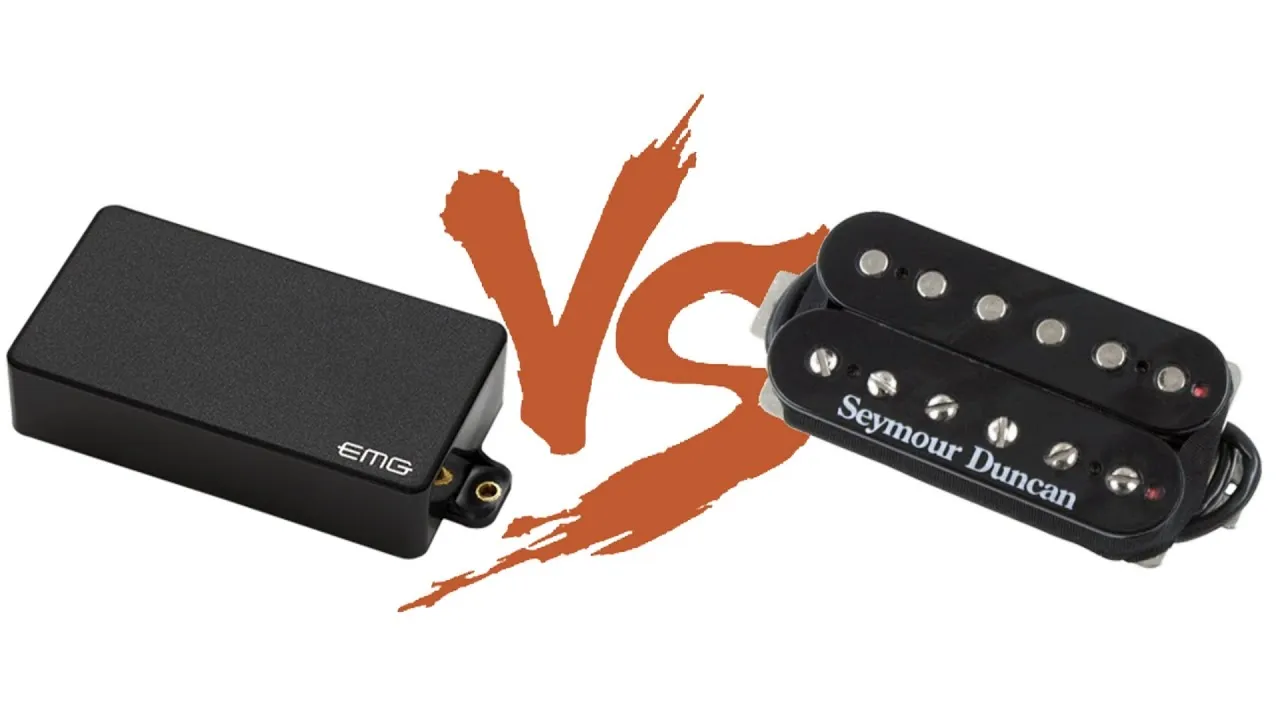
Active vs Passive Pickups for Metal is one of the most argued topics in heavy music, but it does not need to be. Pickups are just front-end gain and filtering devices that change the way your strings excite amps and sims. Once you see how output level, magnet pull, inductance, and onboard preamps shape attack and sustain, you can choose with confidence, set height correctly, and send DIs that re-amp tighter. This practical guide breaks down tone, feel, noise performance, and studio workflow so you can match the right pickup type to your tuning, scale length, and production goals.
What active and passive pickups do differently in heavy styles
Passive pickups are simple electromagnetic coils that convert string motion into a voltage which then travels through pots, cable, and into an amp. Their voice is defined by coil wind, magnet type, and the loading of your volume and tone circuit. Active pickups use fewer windings and a built-in low-noise preamp powered by a battery, which buffers the signal and sets a consistent output and frequency contour. To your hands, this matters because it changes pick attack hardness, palm mute firmness, and how the guitar responds to gain.
In modern metal you need tight lows, articulate mids, and enough top-end to hear pick definition without ice pick fizz. Either technology can deliver that, but the path is different. Passives can feel elastic and dynamic with stronger pick sensitivity. Actives often feel immediate and controlled with less variance from cable length and pot values. Your technique, tuning, and rig decide which strengths matter most.
Tone and feel: the factors you actually hear
- Output and headroom: Actives present a buffered, stable level to the next device. This means your tone varies less between long and short cables and between 250 kΩ and 500 kΩ pots. Passives vary more with loading, which can be musical if you like using the volume knob for gain shading.
- Transient attack: Tight low tunings benefit from fast, well controlled attack. Actives often produce a firm initial transient and compact lows, while the right passive can deliver more air around the note and a slightly wider bloom that feels dynamic under the fingers.
- Noise and hiss: Actives typically reject cable-induced noise better and keep a strong signal to noise ratio. Well shielded passives are quiet too, but high gain exposes any weakness in wiring or grounding.
- Magnet pull and sustain: Some hot passive humbuckers exert strong magnetic pull if set close, which can cause subtle warble on the low string in down tunings. Active designs often use weaker magnets with the preamp making up output, so you can run them closer without excessive pull.
- EQ contour: Actives frequently have a built-in curve that tightens sub bass and shapes high mids. Passives reflect their wind and magnet recipe and the loading of the circuit, which can be tuned by choosing pot values and cable length intelligently.
Choosing between powered pickups and traditional coils for metal
If you live in drop tunings and demand surgical tightness with dense gain, actives can deliver a consistent, low-noise front end that simplifies re-amping. If your playing leans on dynamics, pick nuance, and wide vibrato, the right passive set rewards touch with harmonic complexity. Many heavy bands run actives in rhythm guitars for reliability and passives in lead guitars for expression, then blend in the mix.
Pickup height settings that tighten low tunings
Height is where metal tones are won or lost. Set with the last fret fretted so you account for real playing clearance. Start conservative, then creep closer by half turns while recording reference chugs and single notes. Listen for a cleaner thud on palm mutes and sustained chords that do not wobble in pitch.
- Baseline for hot passive humbuckers: With the last fret fretted, leave about 2.5 to 3.0 mm on the bass side and 2.0 mm on the treble side. If the low string blurs, increase the gap by 0.5 mm.
- Baseline for actives: You can sit a touch closer because magnet pull is lower. Try around 2.0 to 2.5 mm bass side and 1.5 to 2.0 mm treble side, then adjust by ear for balance and pick definition.
- Reality check: If you changed gauge or tuning, redo height. Wider string excursion at lower pitch needs more clearance.
Recording workflow: DI consistency and re-amping
For editing speed and mix translation, consistent DIs are gold. Actives make it easier to hit the same input level across sessions, while passives can vary as strings age or as cable length changes. Neither is right or wrong, but actives reduce variables before the amp stage. If you want a clean front-end chain and tight transients, consider a quick pass through guitar DI cleaning and tightening before you commit to tone shaping.
Re-amping loves orderly files. Document pickup type, height, and tuning along with your DIs. If you want to hear the same take through different heads, cabs, and IRs, book re-amping so performance stays identical while tones change.
Active vs passive across subgenres and tunings
Metalcore and deathcore: High gain, fast doubles, and machine tight editing respond well to active sets that hold the low end together in Drop C through Drop A. If you run passives, choose firm low end models and keep pickup height modest to avoid woof.
Modern prog and djent: Both types work. Actives offer a compressed, controlled transient that locks with triggered kicks. Passives with ceramic magnets and focused mids can sound equally surgical if the setup is dialled and the DI is clean. For guidance on getting ultra low tunings to sit, see my mixing approach for precise, percussive low tunings.
Thrash and classic heavy: Passives with Alnico or moderate ceramic winds can deliver bite and touch sensitivity that fits the style. If you prefer a more modern front end into tight high gain, actives still work as long as you keep the treble sweet.
Guitar controls, pots, and loading considerations
Passive circuits are part of the tone. A 500 kΩ volume pot yields more top-end than a 250 kΩ pot. Tone cap values shift the sweep from subtle contour to wide cut. Cable length adds capacitance that can shave treble. You can use these variables to nudge the guitar brighter or warmer without swapping pickups. Actives largely remove these variables by buffering the signal, so what you hear is more the core voice of the preamp and less the guitar’s wiring.
If you like to ride the volume knob to clean up for verses, passives shine because they retain a satisfying range. Some actives include clever volume tapers, but the feel is different. Decide whether this control behaviour matters for your arrangements.
Noise management and grounding in high gain rigs
High gain exaggerates flaws. Actives minimise cable-related treble loss and can be quieter in challenging venues. Passives remain quiet when cavities are shielded, grounds are solid, and pickup leads are properly twisted and routed. If you rely on tight gates, remember that a gate cannot fix low-end bloom caused by pickup height or under-tensioned strings. Solve physics first, then use gates to tidy tails.
Setup choices that matter more than pickup type
Your strings, scale length, and setup decisions set the ceiling for tightness. If the low string is under-tensioned or the nut pinches, your DI will wobble no matter which pickup you use. Fix those foundations first, then evaluate pickups with everything stable. If you want a structured process for getting the instrument right before tracking, line up a short prep session, or lean on metal mixing and mastering support to judge tightness in a full arrangement quickly.
A simple A B test to choose your winner
- Record matched DIs: Same guitar, same strings, same setup. Swap only the pickup or switch guitars that are as similar as possible besides pickups.
- Use one riff pack: Thirty seconds of hard chugs, open chords, and a lead lick up the neck. Quantise nothing. The point is feel and pitch stability.
- Re-amp consistently: One head, one cab or IR, fixed gain, identical levels. Do not tweak to flatter one take.
- Judge three things: Palm mute tightness, chord separation, and how bends sing. Pick the track that makes tight double tracking easiest.
Common myths, clarified
- Myth: Actives always sound sterile. Reality: In a dense mix, the controlled lows and consistent transient can be an advantage. If you want more movement, back the pickup away from the strings by 0.5 to 1.0 mm and let the cabinet or IR provide extra bloom.
- Myth: Passives are always noisier. Reality: Good shielding and tidy wiring make passive rigs very quiet. Noise issues often trace to cables, power, or computers in small rooms.
- Myth: Output equals heaviness. Reality: Heaviness comes from arrangement, tuning stability, and how the cab handles lows. Excessive output can blur pick definition if the front end clips too early.
Studio cheat sheet: quick settings that work
- Hot passives into high gain: Pickup height 3.0 mm bass side, 2.0 mm treble side with last fret fretted. Preamp gain one notch lower than you think. High pass guitars around 70 to 90 Hz, shelf above 9 to 10 kHz.
- Actives into modern sims: Height 2.5 mm bass side, 1.8 mm treble side. Input trim so peaks sit well under clipping. Slight mid emphasis around 1.2 to 1.6 kHz for pick articulation if needed.
- Drop C through Drop A: Firm low string tension first. If palm mutes woof at the same gain on both pickups, the setup not the pickup is the culprit.
Learn the basics of pickup operation
If you want the fundamentals, these references are a clear starting point: how guitar pickups work, humbucker design, and single coil characteristics. Understanding electromagnetic basics helps you make sense of what you hear in the room.
Related services that accelerate your decision
- Clean and stabilise your DIs before comparing pickups
- Re-amp one performance through multiple heads and cabs
- Mixing choices tailored to low tunings and percussive rhythm
- Finalise tones in context with full metal mixing and mastering
FAQ: Active vs passive pickups in metal
Do actives always sound tighter than passives
Often but not always. Actives present a buffered, controlled low end that helps tightness, yet a well chosen passive with correct height and firm string tension can be equally tight. Evaluate with matched DIs and constant gain to be sure.
Will actives fix flubby palm mutes in Drop C or Drop B
No. Flub usually comes from insufficient string tension, pickup too close on the bass side, or too much preamp gain. Set the instrument first, then choose pickups. If you want a second pair of ears on a DI test, use DI cleaning and feedback.
Are passive pickups too noisy for high gain rhythm
Not when shielded and wired correctly. High output passive humbuckers with solid cavity shielding remain quiet in brutal gain. Keep cables short and high quality, and confirm your grounding is solid to avoid buzz.
Do actives need special pots or wiring
Yes. Active systems usually ship with specific pot values and a battery clip. Follow the supplied harness values so the preamp sees the right load. If you retrofit into a passive cavity, plan room for the battery and tidy cable runs to keep noise low.
Which is better for leads that need expressive bends
Many players prefer passives for lead because they respond smoothly to pick dynamics and volume swells. However, actives can sing too when set a little lower and paired with a great cab or IR. Try both with the same backing and choose the track that cuts with less EQ.
Final thoughts
Your best choice is the one that makes tight doubles easier and reduces mix surgery. Decide based on your tuning and technique, set pickup height by ear with small, measured moves, and compare using re-amping so performance stays constant. If you want help hearing the differences fast, combine re-amping with context-aware mixing to lock guitars with bass and drums from the first playback.