
6-String 7-String or 8-String?
6-String, 7-String, or 8-String? is a practical decision that shapes your tone, your writing vocabulary, and how quickly your guitars track in the studio. More strings extend range and change tension, scale length, and pickup response, but they also affect arrangement choices, editing effort, and mix headroom. In this guide you will learn how to [...]
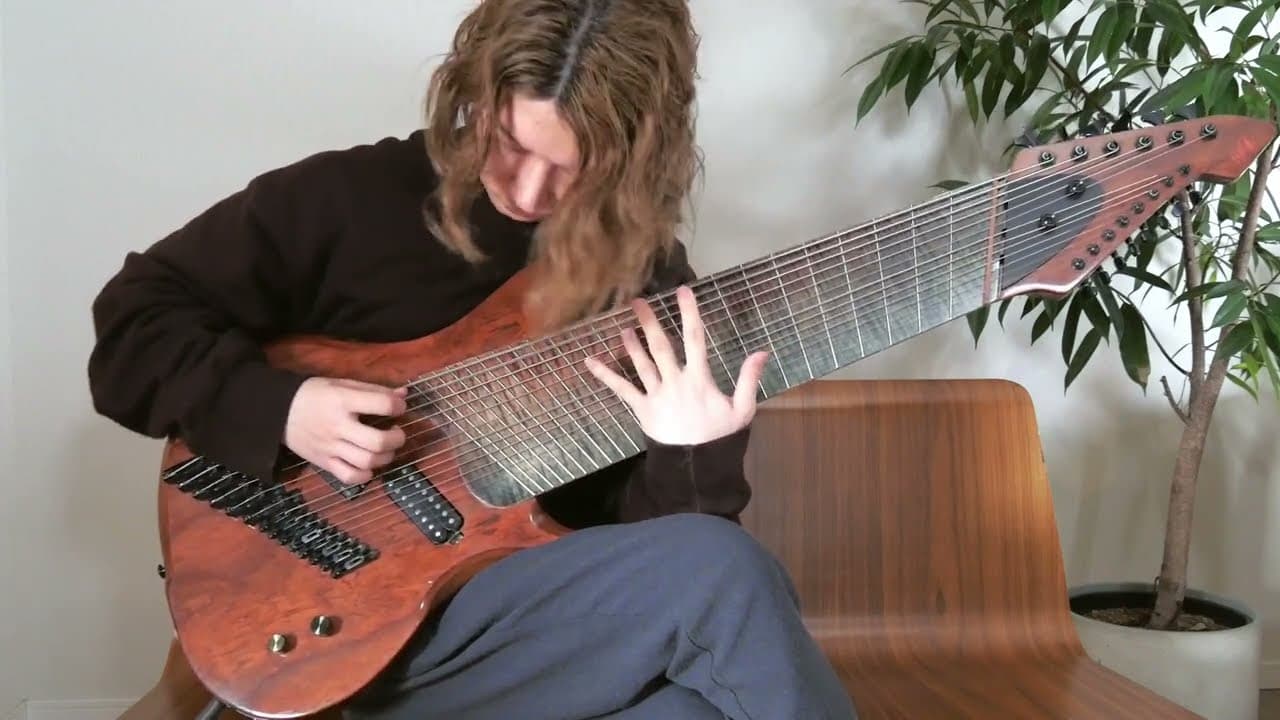
6-String, 7-String, or 8-String? is a practical decision that shapes your tone, your writing vocabulary, and how quickly your guitars track in the studio. More strings extend range and change tension, scale length, and pickup response, but they also affect arrangement choices, editing effort, and mix headroom. In this guide you will learn how to choose the right platform for your tunings and genre, how to set it up for tight low end and clear articulation, and how to prepare DIs that re-amp consistently so your heavy music lands with authority.
What actually changes when you add strings
Adding strings is not just extra notes. It alters neck width, string spacing, scale length options, and how pickups hear the instrument. These design shifts influence palm mute firmness, chord clarity, and lead comfort. They also change how easily your bass and kick drum share low-frequency space. The choice is less about more being better and more about matching instrument range to your musical job.
- Neck width and spacing: Wider boards can improve down-pick accuracy on low strings but may slow certain stretches. Comfort depends on your hand size and technique.
- Scale length: Extended range models often run longer scales to recover tension at lower pitch. Longer scales tighten lows but brighten feel on the top strings.
- Pickup voicing and placement: Bridge pickups move relative to the string nodes on longer scales and wider bridges. This changes attack and mid focus.
- Setup sensitivity: The lower you tune, the more critical nut slots, relief, and pickup height become. Small changes have big audible effects.
Scale length, tuning, and tension rules of thumb
String tension rises with scale length and pitch. A 25.5 inch six feels like one gauge step tighter than a 24.75 inch at the same tuning. Baritones at 26.5 to 28.6 inch recover tension in low tunings and reduce pitch wobble under heavy palm mutes. If you want to read the physics, see primers on scale length and string gauge.
- Quick ranges: Drop D on 25.5 inch often feels firm with 10 to 52 or 11 to 54. Drop C on 25.5 inch is stable with 11 to 56 to 12 to 60. Drop A on a 6 can use 64 to 68 on the low string with correct nut work. Seven strings in B standard feel good with sets around 10 to 59 to 10 to 60 at 25.5 inch. Eight strings in F sharp standard often start around 9 to 74 to 10 to 74 at 27 to 28 inch.
- Relief targets: 0.10 to 0.20 mm at the 7th to 8th fret measured while fretting first and last. Lower relief suits precise rhythm at speed.
- Action targets at the 12th: 1.6 to 1.8 mm low string and 1.2 to 1.4 mm high string for modern metal. Raise bass side by 0.1 to 0.2 mm if your mutes clatter.
Choosing between 6, 7 and 8 string guitars
Think in use cases. Sixes excel at classic feel, speedy leads, and easy double tracking in E through D or Drop C. Sevens extend your riff canvas into B standard or Drop A without the width jump of an eight. Eights push to F sharp or Drop E for modern prog and extreme heaviness, but demand careful arrangement so bass and kick still breathe.
Where a 6 string shines for heavy music
Sixes are the fastest path to tight doubles and expressive lead takes. Neck width is familiar, muting is second nature, and chord shapes translate without rewiring your muscle memory. If you live in E standard, D standard, or Drop C, a six can deliver everything you need with the right gauge and setup.
- Best for: Thrash, classic heavy, metalcore in higher tunings, punk-leaning crossovers, and players who bend wide on top strings.
- Setup wins: Lower pickup height on the bass side and a firm low string keep palm mutes authoritative. Record DIs slightly conservative on input to retain transient bite.
- Tracking speed: Expect fewer edits and cleaner phase between left and right rhythm tracks because pitch drift is smaller at higher tunings.
If you are preparing DIs for mixing or tone shootouts, tidy them first so your comparison is honest. My guitar DI cleaning and tightening service cleans transients and levels before re-amping, which makes A B choices obvious.
Why many bands choose 7 strings
Sevens add a low B while keeping the familiar top six. That means extended riff range without sacrificing lead comfort. For Drop A, a 25.5 or 26.5 inch seven allows hybrid sets that keep the top lively while the bottom stays firm. The extra string also changes voicing options for chords and octaves so you can write wider hooks without stepping on the bass guitar.
- Best for: Metalcore, deathcore, modern prog, and any project that needs A or B fundamentals with clear midrange articulation.
- Gauge guide: 10 to 59 to 10 to 60 at 25.5 inch for B standard. In Drop A, push the bottom to 62 if you hit very hard.
- Arrangement tip: Let the bass own the true sub. Write guitar riffs so the lowest notes land alongside the bass root but avoid staying on the very lowest string for every bar.
Want to hear how your seven sits across multiple heads and cabs without changing the performance. Route one perfect DI through re-amping and compare IRs and mic chains quickly.
When an 8 string is the right tool
Eight strings unlock F sharp or Drop E territory and expanded chord voicings across a single position. They can sound huge in sparse arrangements and enable piano-like spread voicings that are impossible on fewer strings. The tradeoff is instrument size, muting complexity, and more pressure on mixes to leave room for bass and kick.
- Best for: Modern prog, experimental metal, cinematic heaviness, and low tuned textures where riffs combine percussive chugs with extended harmony.
- Scale advice: 27 to 28 inch helps tension and pitch stability. Shorter scales at these tunings often need very heavy gauges that compromise feel.
- Mix caution: Use focused cabinets or IRs and consider high pass moves around 70 to 90 Hz on guitars so the sub is not crowded. Deliver a bass that locks fundamentals one octave below where possible.
If you want to hear extended range guitars in a final context before committing, book a short pass of genre-targeted mixing for ultra low tunings to check articulation against real drums and bass.
Tunings that map naturally to each platform
- 6 string: E standard to D standard, Drop D, Drop C. Baritone sixes cover C standard to B standard comfortably with lighter tops for lead work.
- 7 string: B standard, Drop A, A standard with the right gauges and nut work. Hybrids let you keep leads fluid while the low string anchors riffs.
- 8 string: F sharp standard, Drop E. Extended voicings work best with disciplined muting and selective use of the lowest string to keep mixes clear.
If you want a concise survey of common tunings and their notation, these references help: guitar tuning systems and a primer on extended range guitars.
How string count affects writing and arrangement
More range invites wider chord voicings and pedal bass ideas, but it also raises the risk of clashing with bass guitar and kick. Keep orchestration intentional. If guitars dive into true sub on every bar, bass parts lose identity and the kick stops reading. Arrange lows in lanes so the groove breathes.
- Low lane: Bass fundamental and kick punch. Guitar lows visit but do not live here.
- Guitar lane: Upper bass through lower mids where palm mutes and power chords speak. Use the very lowest string for punctuation.
- Air lane: High mids and controlled top end where pick attack and presence sit. Avoid excessive fizz to keep cymbals clean.
Tracking and editing implications by platform
Lower tunings create larger string excursion and wider pitch drift under hard attack. That shows up as extra edit time, more comp passes, and higher sensitivity to pickup height. Plan sessions accordingly. Doing the right prep will save hours.
- Sixes: Fastest doubles and tightest phase on average. Expect 2 to 4 rhythm passes per side to nail feel.
- Sevens: Slightly more care on palm mutes. Plan an extra take per side for insurance.
- Eights: Commit to careful muting and strict click discipline. Expect more comping to keep intonation centred on sustained chords.
Want to audition multiple rigs on the same performance. Send one clean DI through re-amping and decide with your ears rather than spec sheets.
Setup fundamentals that matter more than string count
Whatever you choose, correct setup drives tightness and clarity. Heavier gauges and lower tunings demand nut slots that match size and break angle, minimal but present relief, action that survives real palm mutes, and pickup height that keeps magnetic pull from warbling the low string.
- Relief: 0.10 to 0.20 mm. Start at the low end for precise rhythm.
- Action: 1.6 to 1.8 mm bass side at the 12th, 1.2 to 1.4 mm treble side. Adjust by 0.1 to 0.2 mm as your pick angle demands.
- Pickup height: With last fret fretted, 2.5 to 3.0 mm on the bass side and 2.0 mm treble for hot passives. Actives can sit 0.5 mm closer then back off if lows blur.
- Freshness: New strings for every serious tracking block. Replace the low string after 6 to 8 hours on long days.
Genre snapshots: how each platform supports your sound
- Thrash and classic heavy: Sixes in E or D feel natural for down-pick speed and cutting mids. Passives or actives both work if height is set correctly.
- Metalcore and deathcore: Sevens in B standard or Drop A keep riffs percussive with room for bass fundamentals. Use focused IRs and keep preamp gain disciplined.
- Djent and modern prog: Sevens and eights deliver range for syncopated low stabs and wide chord spreads. Tight gates and clean DIs are essential. For mix strategies that spotlight articulation, see my approach to low tuning clarity.
- Doom and sludge: Six or seven with heavier lows and slower tempos. Strings must hold pitch under long sustains, so gauge and scale length choices are critical.
- Atmospheric and black-influenced textures: Sixes excel when tremolo lines need top string sweetness. Sevens add droning lows under melodic content.
Decision tree for your next record or tour
- Step 1 choose your lowest required note. If you never need below C, a six is faster to track and maintain.
- Step 2 choose scale length that keeps the low string firm. 25.5 inch is a safe default. 26.5 to 27 inch helps B to F sharp stability.
- Step 3 pick gauge to fit your attack style. Increase the bottom by 2 to 4 thousandths if mutes wobble.
- Step 4 do a quick setup cycle. Relief, action, nut, intonation, pickup height in this order.
- Step 5 print a DI test pack. Chugs, open chords, and a lead lick. Re-amp identically to compare options.
Studio deliverables that help you get hired again
- Clean, unclipped DIs that peak below the red with documented tuning, scale length, string gauge, and pickup height.
- Two re-amped references using your preferred head and a neutral IR for translation checks.
- A brief note on arrangement intent. Which register owns the hook and where guitars leave room for bass and kick.
- A favourite track that nails the articulation you want. If you need to match an existing reference tone, my reference track and tone matching service accelerates the process.
Budget and maintenance: practical realities
Extended range instruments cost more to string and can take longer to set up. They are also less forgiving of poor cases and rough loading because of wider necks and longer scales. Be realistic about tour conditions and tech support. If you need fast string changes and minimal parts inventory, a six or seven may be the smarter tour companion while you keep the eight for studio work.
External primers worth a skim
To dig into fundamentals, read about extended range guitar design, humbucker behaviour, and common guitar tunings. These references provide neutral context for the setup and workflow advice above.
Related reading and services
- Tighten your DIs before comparing 6, 7, and 8 string rigs
- Re-amp one performance through multiple heads and cabs
- Mixing tailored to ultra low tunings and percussive articulation
- Context-aware metal mixing and mastering to seat guitars with bass and drums
FAQ: choosing between 6, 7, and 8 strings
Will an 8 string always sound heavier than a 7
No. Heaviness comes from arrangement, tension, and tight playing. An eight gives you range but can crowd bass if used constantly on the lowest string. A well set seven can hit harder in a dense mix because it leaves more room for kick and bass fundamentals.
Should I buy a baritone six instead of moving to a seven
If you love six string ergonomics and only need to reach C or B, a baritone six at 26.5 to 27 inch can be ideal. If you want Drop A with familiar top string leads and extended chord shapes, a seven is the more flexible option.
How do I keep palm mutes tight on extended range guitars
Use a firm low string gauge for your tuning, minimal but present relief, action that clears your pick attack, and pickup height with enough bass side clearance to avoid magnetic pull warble. Re-evaluate height after any gauge change.
Do I need different pickups for an eight
Not strictly, but pickups voiced for extended range often emphasise focused lows and clear high mids. Both actives and passives can work if height is set correctly. Choose based on noise tolerance, feel, and how you like your volume knob to respond.
What gauges should I start with for Drop A on a seven
At 25.5 inch, many players start around 10 to 60 and push the low to 62 if they pick very hard. At 26.5 inch, try 10 to 58 to 10 to 60 because the longer scale increases tension at the same pitch.
Will a six handle Drop A if I set it up right
Yes with the right low string gauge, nut work, and setup, but feel and intonation get demanding on standard scale sixes. If Drop A is your daily tuning, a seven is usually more comfortable and more stable across sessions.
How do I stop chords going sharp high on the neck after tuning down
Re-intonate using your real picking force, confirm nut slot height for the heavier strings, and verify that relief is not excessive. Old strings also intonate poorly, so set intonation with fresh strings and replace them consistently during long sessions.
Are actives better than passives for low tunings
They are different. Actives buffer the front end and can feel very tight with consistent output. Passives can be just as tight with correct height, firm tension, and clean wiring. Choose based on noise tolerance and how you like dynamics to react under your picking hand.
Final thoughts
Pick the instrument that serves your lowest required note and the way you write. A six tracks fastest for higher tunings and expressive leads. A seven balances range and comfort for Drop A and B standard. An eight opens huge range for modern prog and experimental metal if you arrange with discipline. Lock tuning, choose a gauge that fits your hands, set relief and action precisely, and set pickup height by ear with small moves. If you want a quick route to release-ready tones, combine DI cleanup with re-amping and finish with metal mixing and mastering support so your guitars lock with bass and drums from the first playback.